How to Build an Emergency Fund Fast: Free Online Calculator (2027 Guide)

An emergency fund is money set aside for the unexpected. This free 2027 guide covers what it is, why you need one, how to build it step by step, when to use it, and the good and bad of saving too little or too much. Test your own plan with our free online emergency fund calculator.
Free online tool: use our free Emergency Fund Calculator. No signup, works on any phone.
What is an emergency fund?
An emergency fund is a cash reserve kept for genuine, unplanned needs: a sudden loss of income, an urgent medical bill, or an essential repair to your home or car. It is separate from money you are saving for planned things such as a holiday or a new phone.
Three qualities define it: it is safe (not at risk of loss), accessible (you can reach it within a day or two), and dedicated (you do not dip into it for ordinary spending).
Why do you need one?
- It stops a bad moment becoming a debt problem. Paying an unexpected bill from savings avoids borrowing at high interest. For instance, $2,000 on a card at 20% a year, unpaid for two years, can grow to nearly $3,000.
- It gives you time. If income stops, a cushion lets you make careful decisions instead of rushed ones.
- It reduces stress. Knowing there is a buffer makes everyday money worries smaller.
How much should an emergency fund be?
There is no universal figure. A common range is three to six months of essential expenses: housing, food, utilities, transport, insurance, minimum debt payments. Some people want more, some less, depending on their situation.
Factors that may point toward a larger fund include irregular income, a single income in the household, dependants, health needs, or a job that would be hard to replace quickly. Factors that may point toward a smaller one include very stable income, a second earner, or other safety nets.
Example: with essential expenses of $2,500 a month, three months is $7,500, six months is $15,000 and nine months is $22,500. Our emergency fund calculator lets you pick 3, 6, 9 or 12 months and shows the difference.
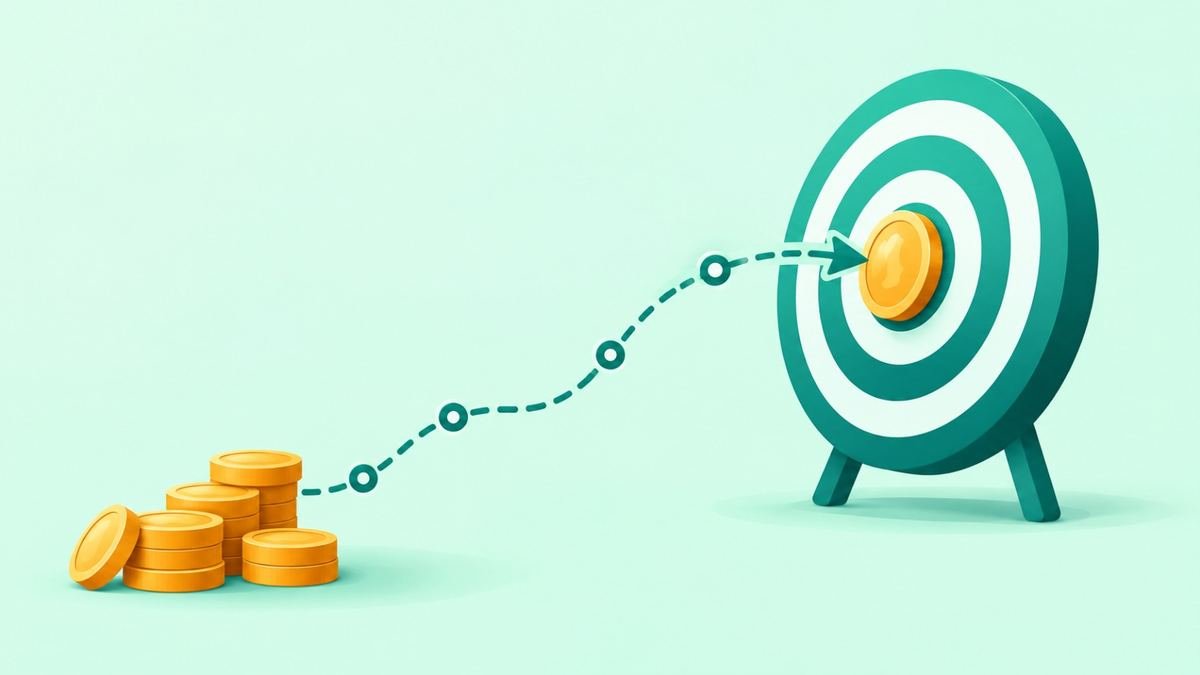
How to build an emergency fund, step by step
- Work out your essentials. Add up what you must pay each month.
- Pick a first milestone. A common one is a single month of expenses. Reaching it builds momentum.
- Choose a monthly amount. Use the free online calculator to see the timeline.
- Automate it. A transfer on payday is easier to keep up than good intentions.
- Add windfalls. Bonuses, refunds and gifts can shorten the timeline.
- Keep it separate. A dedicated account reduces the temptation to spend it.
How long will it take? Two examples
Take a $15,000 target (six months of $2,500), with $3,000 already saved and interest at 3.5% a year.
- Saving $300 a month: about 37 months, or roughly three years.
- Saving $500 a month: about 23 months, or just under two years.
Interest helps only a little at these rates; the monthly amount is what really sets the pace. That is why boosting your contribution, even temporarily, often matters more than hunting for a slightly higher rate.
Where should you keep it?
Most people keep an emergency fund in an easily accessible savings account rather than tying it up. Tying money in a fixed-term product can mean penalties when you need it. Check that the provider is properly regulated and how deposits are protected in your country. Comparing the APY of accounts helps, but access and safety usually come first.
When should you use it, and when not?
Use it for: essential, unexpected, urgent costs, such as losing income, an unavoidable medical bill or an essential repair.
Do not use it for: sales, holidays, upgrades, or things you could plan and save for separately.
If you use it, rebuild it. Treat the refill as a priority, restarting your monthly contribution as soon as you can.
Good or bad: too little or too much?
The good of having one: security, options and calmer decisions.
The bad of having too little: a single surprise can push you into debt.
The bad of having far too much in cash: if the interest rate is lower than inflation, the buying power of a very large cash pile slowly falls, and the money may do more good working toward other goals. This is a personal balance, and a qualified adviser can help with your own situation.
Common mistakes
- Counting wants as essentials, which makes the target too big to feel reachable.
- Waiting until the full target is possible before starting.
- Keeping the money where it is hard to reach, or too easy to spend.
- Not refilling it after use.
Comparing coverage levels side by side
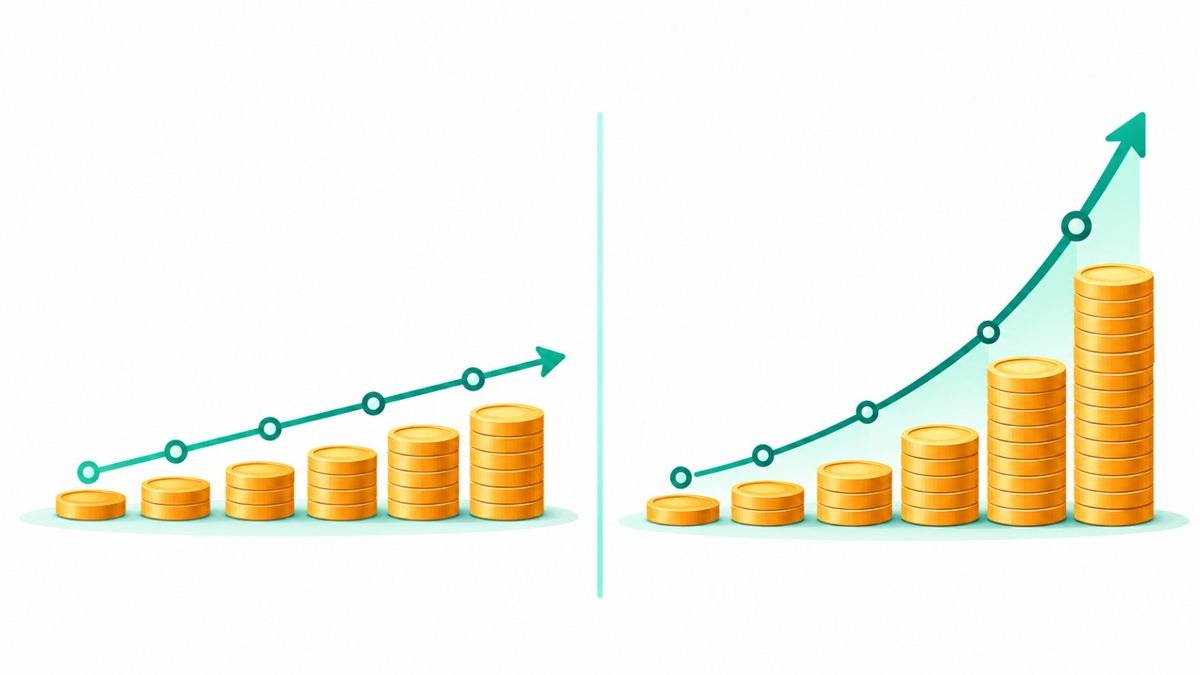
Using $2,500 of monthly essential expenses as an example, here is what each common coverage level looks like in dollars: 3 months is $7,500, 6 months is $15,000, 9 months is $22,500, and 12 months is $30,000. Seeing the full range together can help you pick a level that feels achievable as a first target, with room to extend it later once you are comfortable.
If your income is irregular
For freelance, commission-based or seasonal income, consider basing your target on your lowest typical month rather than an average, and lean toward the higher end of the 3-to-12-month range. Building the fund during stronger months and pausing contributions during leaner ones is a normal, sustainable pattern rather than a sign the plan has failed.
Frequently asked questions
How many months should an emergency fund cover?
Three to six months of essential expenses is common, but the right amount depends on your income stability, dependants and other safety nets.
How do I build an emergency fund fast?
Set a first milestone, automate a payment each payday, add windfalls and trim non-essential costs. Use our free online emergency fund calculator to see the timeline.
Where should I keep my emergency fund?
Somewhere safe and easy to access, such as a savings account, rather than a product with early-withdrawal penalties.
What counts as an emergency?
Unplanned, essential and urgent costs, such as loss of income, essential repairs or unavoidable medical bills.
Should I build an emergency fund or pay debt first?
It depends on the interest rates and your circumstances. Many people build a small cushion first, then compare the debt rate with the savings rate.
Should self-employed people save a bigger emergency fund?
Many aim for a larger cushion, often toward the higher end of the typical range, because income can be less predictable, but the right amount still depends on personal circumstances.
What is the difference between 3 months and 12 months of coverage in dollars?
On $2,500 of monthly essentials, the difference between 3 months ($7,500) and 12 months ($30,000) is $22,500, illustrating how much the choice of target changes the goal.